Cart Shed Cottage: A History
Cart Shed Cottage was converted in 2019 after nearly 15 years of ownership. Historically, both the cottage and neighbouring Trevella Barn, which was converted in the 90s, were designed as a range of animal houses and a cart or implement shed.
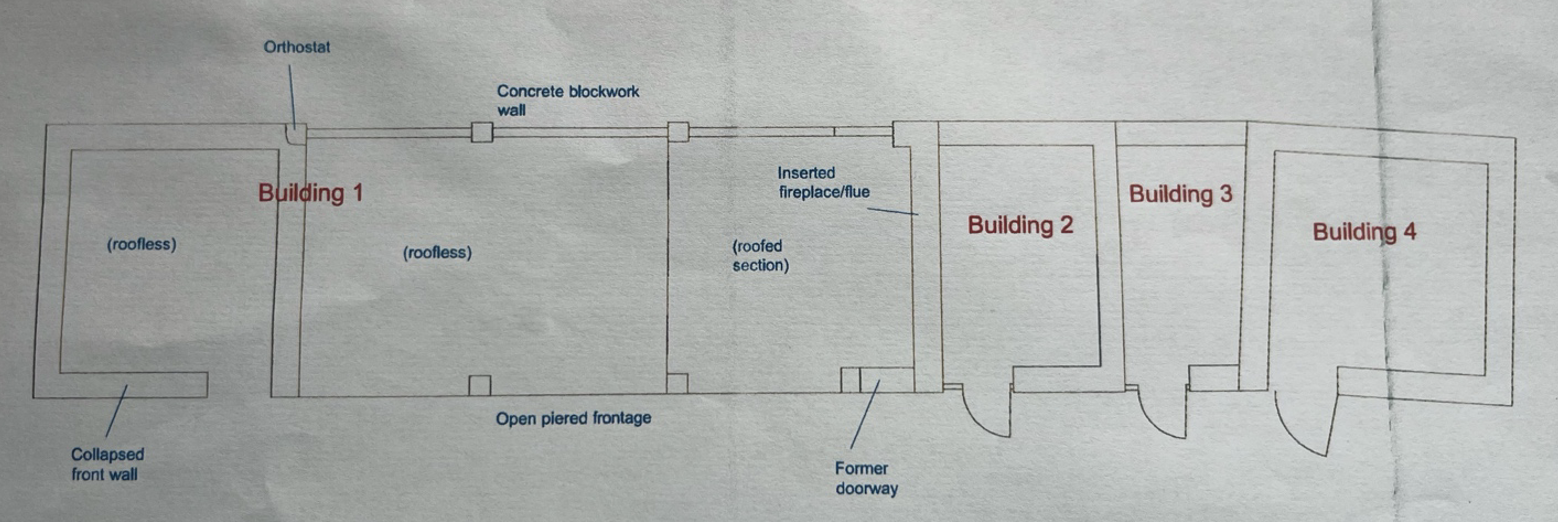
Structural evidence and historical mapping show that the cottage started as a smaller footprint, with traditional additions constructed in three phases in the late 19th and early 20th century.
The original building is a 3-bay cart shed or implement house with a loose box at one end (west) and a narrow bay for animal or pedestrian access at the other (east) – to which a flue has been added at some time. Three animal houses, either stables or pigsties, were then added to the east end.
There is no farmhouse that relates to the outbuildings, but an early and mid-19th century row of cottages (now two houses) is likely to have been the domestic heart of the settlement.
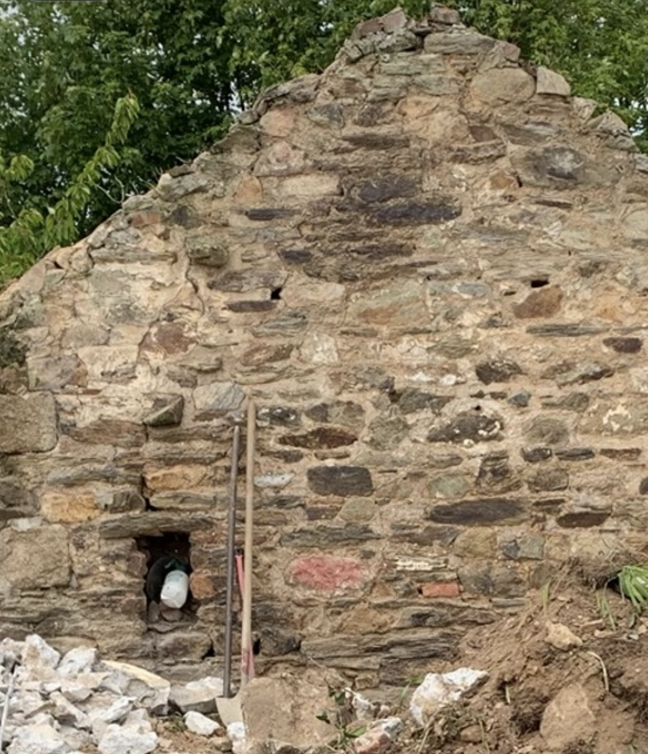
The outbuildings are constructed of local ‘killas’ rubble stone. The content of the stonework varies within the phases of building and includes spar-stone, elvan rubble and granite dressings.
Much of the original walls of the cottage deteriorated badly during the winters preceding conversion. However, what remained has been preserved and is encased in the walls of the cottage seen today – including the flue.
The conversion from collapsing ruins to cottage has preserved the outbuildings. They’re an important part of this small settlement – which was once within common land mined for silver.